If your brain had a dashboard like your car, mental health would be the check-engine light you don’t want to ignore.
Your brain is constantly sending signals to help you avoid a breakdown and keep things running smoothly.
But all too often, adults ignore the warning signs and keep going without taking a break, refueling, or fixing small problems before they become bigger ones.
Your day-to-day ever look like this?
Here’s the thing…Left unchecked, those warnings can lead to stress, anxiety, depression, mood swings, and other mental health challenges.
But it doesn’t have to be that way.
In this article, you’ll learn how to:
- Manage your mental health
- Understand the difference between mental health and mental illness
- Recognize common risk factors that impact mental health
- Keep your brain healthy and strong with 10 evidenced-based strategies

How’s It Going? Making Sense of Mental Health
Mental health is your emotional, psychological, and social well-being. It influences how you think, feel, and act, and how you handle stress, connect with others, and make everyday decisions.
So, what does that look like in real life?
- Good mental health might mean waking up feeling rested, motivated to start your day, and able to handle whatever comes your way with patience and focus.
- Struggling with mental health might look like snapping at your kids before school, zoning out in meetings, or lying awake at night, overwhelmed by work, bills, or everything on your plate.
Here’s another way to think about this. Mental health is: “A state of mind characterized by:
- Emotional well-being
- Good behavioral adjustment
- Relative freedom from anxiety and disabling symptoms
- A capacity to establish constructive relationships
- An ability to cope with the ordinary demands of life
In other words, mental health isn’t just about avoiding illness. It’s about feeling steady, thinking clearly, managing stress, and being able to show up for work, family, and life with confidence and clarity.
You know, the stuff that actually runs through your head when someone asks, “How’s it going?”
Think of mental health like your car’s dashboard. It’s the fuel gauge, the GPS, and maybe even the heated-seat sensors. When everything is working properly, you feel centered and in control. When something is off, it’s your brain’s way of signaling you to slow down and take care.
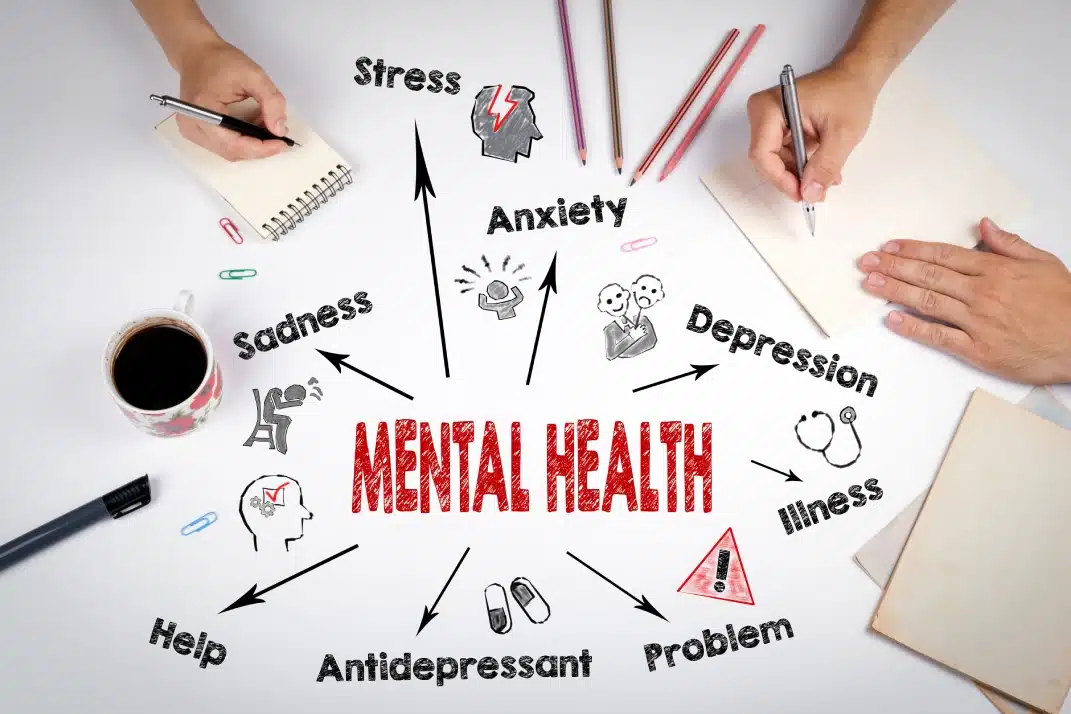
Mental Health vs. Mental Illness
We all have mental health, just like we all have physical health. Some days we feel great. Other days, not so much. That’s totally normal.
But mental illness is something different. It’s a medical condition that changes the way a person thinks, feels, or behaves.
A few common examples include:
- Depression
- Anxiety
- Post-Traumatic Stress Disorder (PTSD)
- Obsessive Compulsive Disorder (OCD)
- Eating disorders
- Panic disorder
- Substance misuse
You don’t need a diagnosis to be having a tough time. Feeling stressed, overwhelmed, or emotionally drained can all be signs that your mental health needs some attention.
Here’s the good news: people who live with a mental illness can still feel mentally strong and live full, productive lives—with the right support, treatment, and tools.
Because when your mental health is in good shape, everything runs smoother.
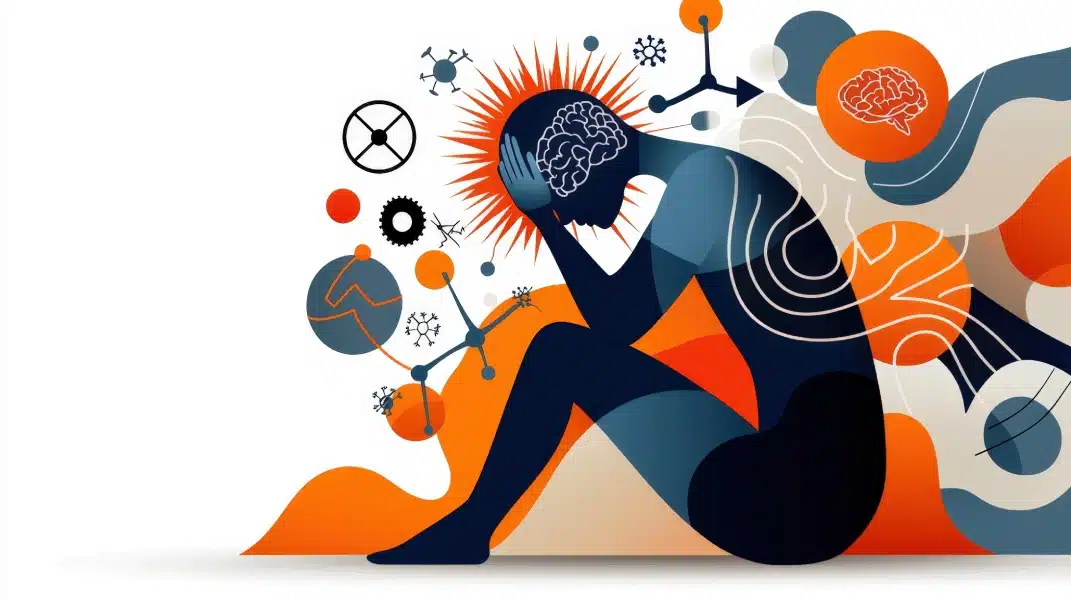
7 Common Risk Factors That Affect Mental Health
Mental health challenges can affect anyone, regardless of age, background, or success.
- Maybe it’s the high achiever at work who’s crushing deadlines but quietly dealing with anxiety.
- Maybe it’s the new parent who’s running on three hours of sleep and feeling like they’re failing at everything.
- Or maybe it’s the manager caring for an aging parent while juggling Zoom calls, emails, and expectations.
Even people who seem to have it all together may be carrying a mental load you can’t see.
Here are seven of the most common risk factors that increase the chances of developing a mental health issue
- Chronic stress: Work overload, caregiving responsibilities, or the pressure to always be “on”
- Trauma or adverse childhood experiences: Past abuse, neglect, or instability can impact long-term mental health
- Poor sleep or lack of physical activity: Skipping rest or movement affects mood, memory, and energy
- Social isolation: Feeling disconnected from friends, family, or coworkers
- Financial hardship: Worrying about bills, debt, or job security can cause emotional strain
- Substance misuse: Alcohol, drugs, or even excessive caffeine can interfere with emotional balance and brain function
- Genetics and family history: Mental health conditions sometimes run in families, increasing vulnerability

Protect Your Mental Health: 10 Tips to Keep Your Brain Healthy
Feeling off? You don’t have to overhaul your life to feel better.
Even small changes to your daily routine can make a big difference in how you think, feel, and cope with stress.
These research-backed strategies can help you feel more focused, energized, and emotionally balanced, and you can start today.
1. Move your body
- Exercise boosts mood by increasing feel-good chemicals like endorphins and serotonin.
- Even a brisk 15-minute walk can lift your spirits and clear your mind
2. Get your Zzzs
- Lack of sleep is strongly linked to anxiety and depression
- Aim for 7 to 9 hours per night, and try winding down without screens or distractions.
3. Connect with others
- Strong social connections are one of the best predictors of good mental health
- Whether it’s texting a friend or chatting with a coworker, connection matters
4. Eat for brain health
Foods rich in omega-3s, fiber, and antioxidants can help reduce inflammation, improve focus, and support your mood and brain function. Try adding more of these to your meals:
- Salmon and other fatty fish such as sardines or mackerel
- Leafy greens like spinach, kale, and Swiss chard
- Berries such as blueberries and strawberries
- Nuts and seeds including walnuts, chia seeds, and flaxseeds
- Avocados which are high in healthy fats and vitamin E
Even small changes, like swapping chips for a handful of walnuts or adding greens to your lunch, can support brain health over time
5. Manage stress in healthy ways
Stress is a normal part of life, but how you respond to it matters. Deep breathing, journaling, and mindfulness exercises can help your brain shift out of “fight or flight” mode and into a calmer, clearer state.
Try one of these simple ways to manage stress:
- Take five slow, deep breaths
- Write down three things you’re grateful for
- Step outside for a short walk
- Use a guided meditation app
- Listen to calming music or nature sounds
- Pause for a quick stretch or body scan
Building a stress management habit takes practice, but even a few minutes a day can make a big difference in your mental well-being
6. Avoid or limit alcohol & substances
- Too much alcohol, cannabis, or even caffeine can throw off your mood, disrupt your sleep, and affect your ability to focus or cope with stress.
- Over time, these substances can make mental health challenges worse.
If you notice that a substance is interfering with your sleep, energy, or emotions, it may be time to cut back, take a break, or talk to a health professional.
7. Challenge your mind
Just like your body, your brain needs regular exercise to stay strong.
- Learning new things helps keep your mind flexible, sharp, and resilient over time.
- Try reading a book, working on a puzzle, learning a new skill or hobby, or even trying something creative like drawing or playing music.
Mental challenges like these can boost memory, concentration, and problem-solving skills.
8. Know your numbers
Your physical health and mental health are deeply connected.
- Conditions like high blood pressure, high blood sugar, and high cholesterol are not just physical risks.
- They are also linked to mood changes, memory problems, and a higher risk of depression.
Stay on top of routine checkups and health screenings. Knowing your numbers gives you the chance to catch issues early, manage them effectively, and protect both your body and your mind.
9. Talk to a health professional
You don’t have to wait for a crisis to talk to someone
- Therapy can help you process everyday stress, navigate tough emotions, and build healthy coping skills.
Whether you’re feeling overwhelmed, stuck, or just need a sounding board, a licensed mental health professional can help you strengthen your emotional resilience and support your overall well-being.
10. Be kind to yourself
Self-compassion reduces stress and helps you bounce back from challenges with greater resilience.
- Give yourself the same patience, understanding, and support you would offer a friend, especially on the hard days.
- A little kindness toward yourself can go a long way in protecting your mental health
Build a Healthy Mind One Habit at a Time
Taking care of your mental health isn’t about doing everything all at once. It’s about small, daily choices that support how you think, feel, and show up in the world.
If something in this article stood out to you, try putting it into action today. Whether it’s going for a walk, calling a friend, or simply being kinder to yourself, your brain will thank you.
This is just the beginning. In upcoming articles, we’ll explore more ways to support your mental well-being, including how food, sleep, stress, and social connection shape your brain health, and what you can do to thrive.